-
July 31:
Arrive in Tucson | Welcome to Southeast Arizona
Welcome to Arizona!
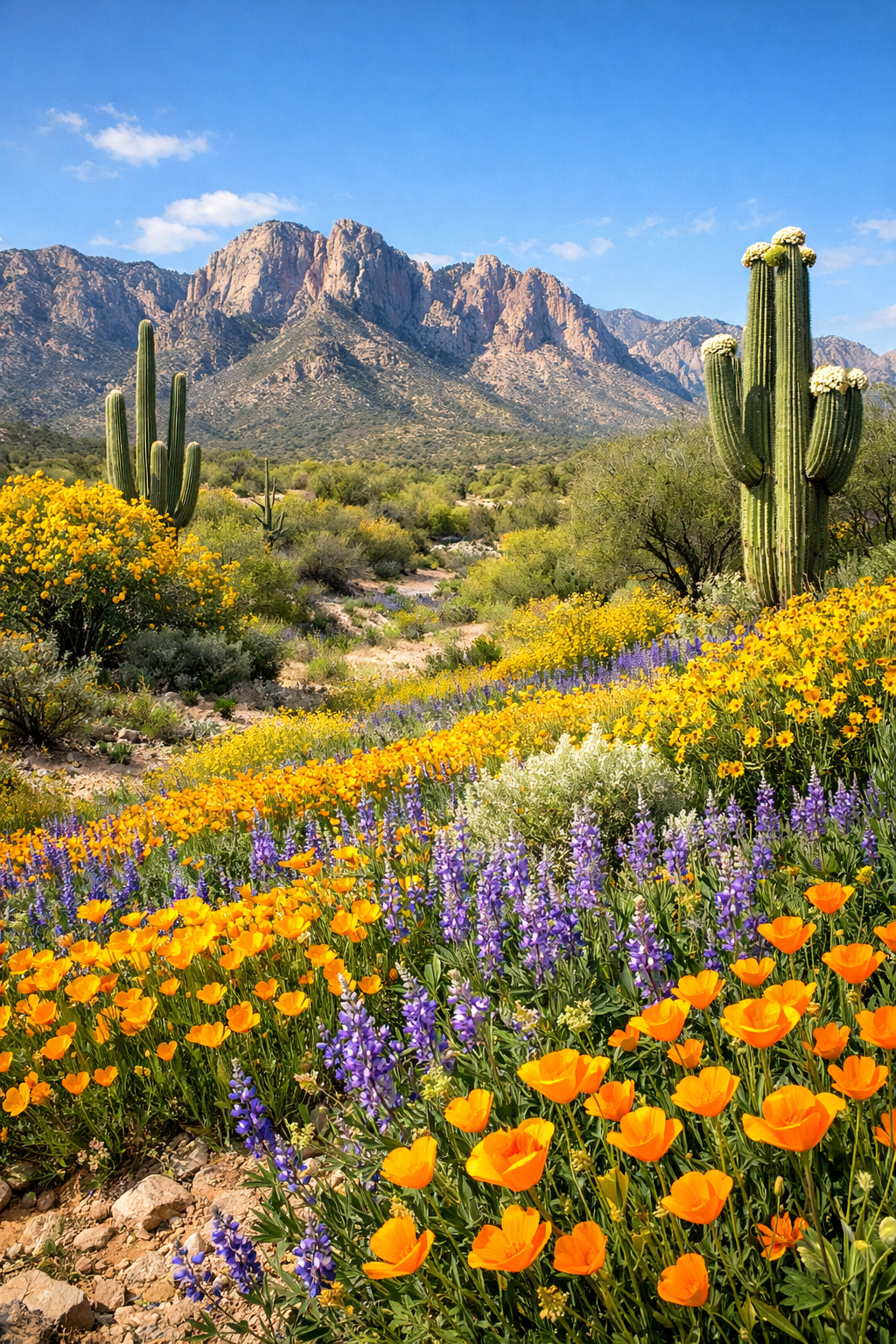
We’ll start in Tucson, surrounded by the mountains and Sonoran Desert that provide our first glimpse of the landscapes we’ll explore over the coming week.
After everyone has arrived and settled into our hotel, we’ll gather for a welcome dinner and introductions. Gabriel, Gordon and Lori will preview our journey and introduce the geography and natural history of Southeast Arizona’s famous Sky Islands.
Depending on arrival times, there may also be an opportunity for some informal late-afternoon birding near our hotel.
Overnight: Tucson
-
August 1:
Sweetwater Wetlands | Tucson to the San Pedro Valley
We’ll begin our first full day with an early visit to Sweetwater Wetlands, one of Tucson’s best urban birding locations and a perfect introduction to some birds that may be unfamiliar to visitors from the Northeast.
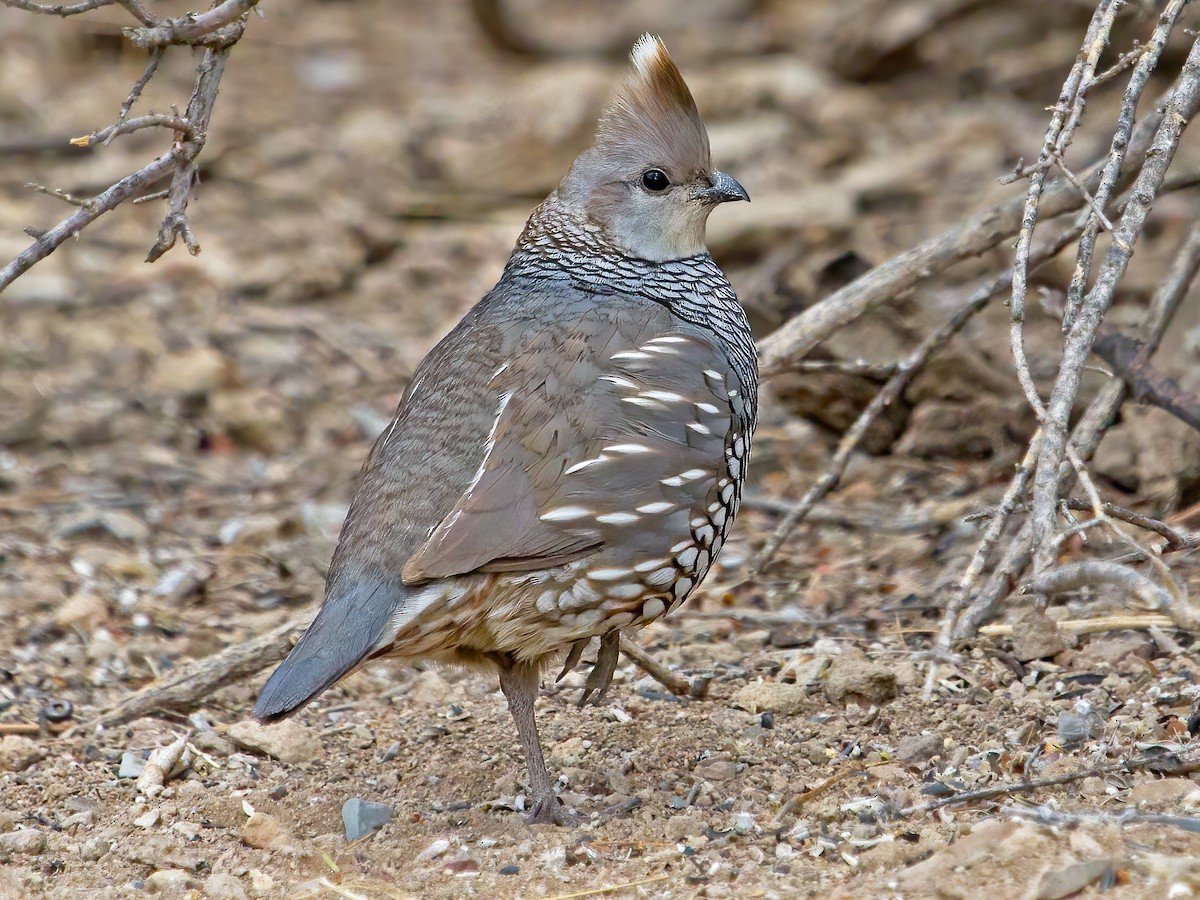
Among our possibilities are Abert’s Towhee, Gila Woodpecker, Verdin, Gambel’s Quail and Lucy’s Warbler, along with waterbirds, flycatchers and other desert and riparian species.
After our morning birding and breakfast, we’ll check out of our Tucson hotel and begin our journey southeast.
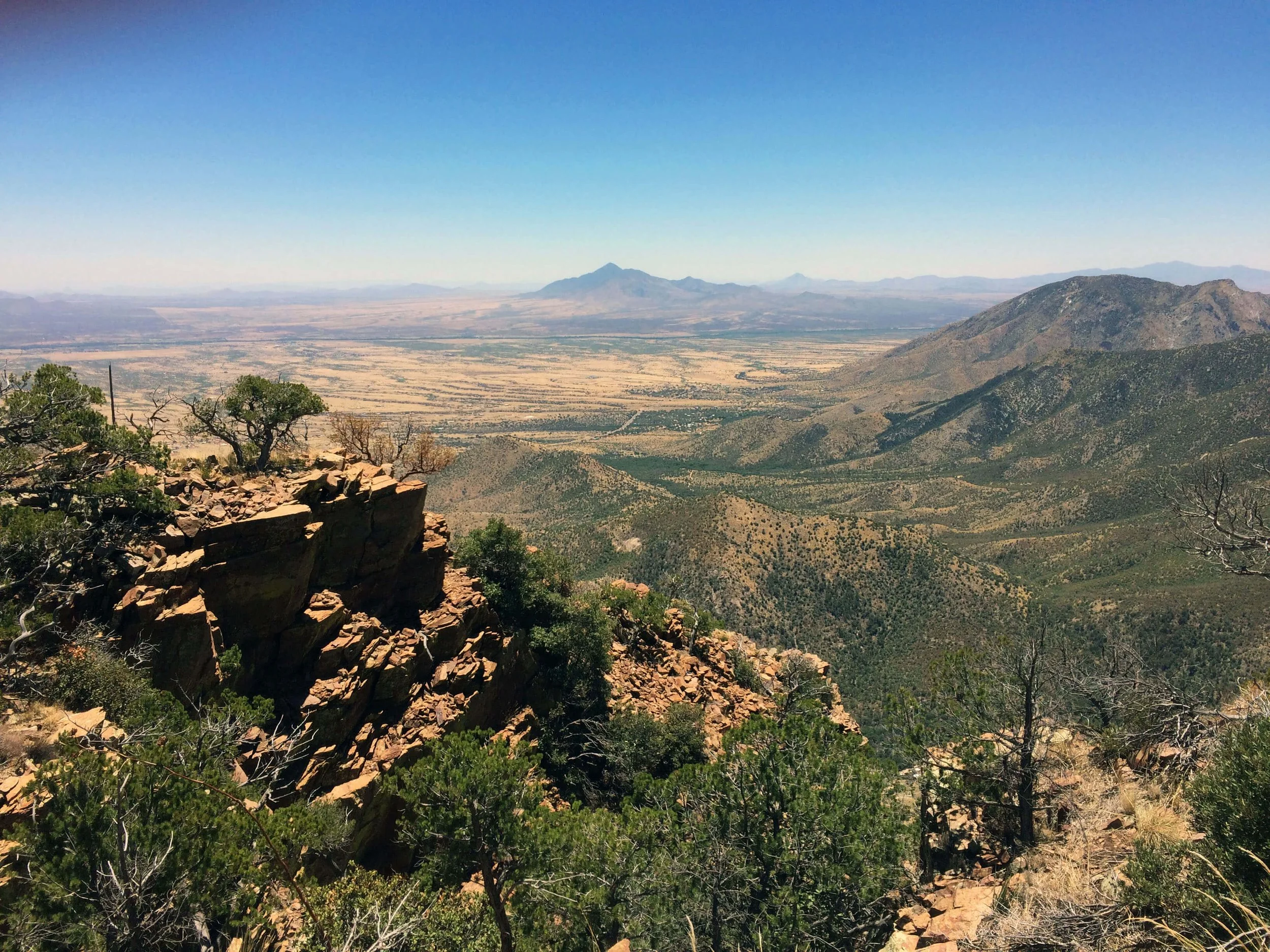
As we leave Tucson and travel southeast toward the borderlands, the scenery begins to change. Broad grasslands open around us, framed by the isolated mountain ranges of the ‘Sky Islands’ that will be the focus of much of our week.
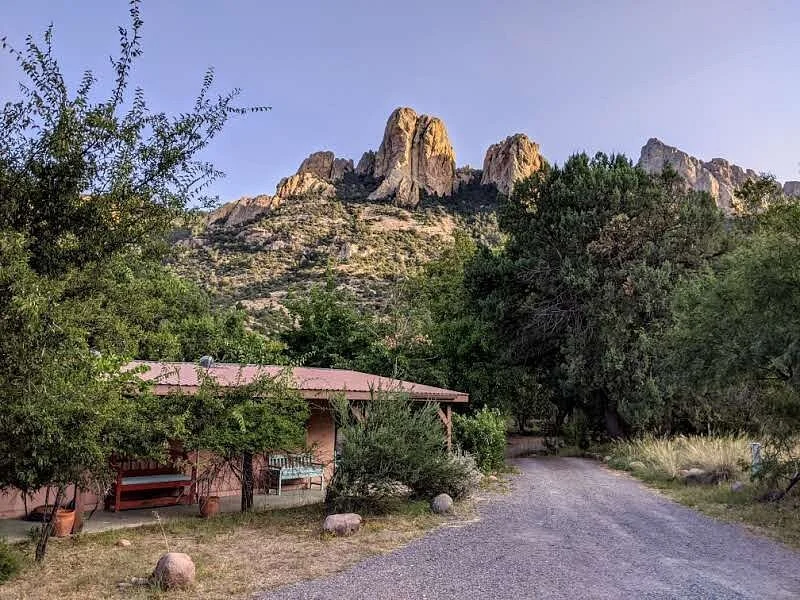
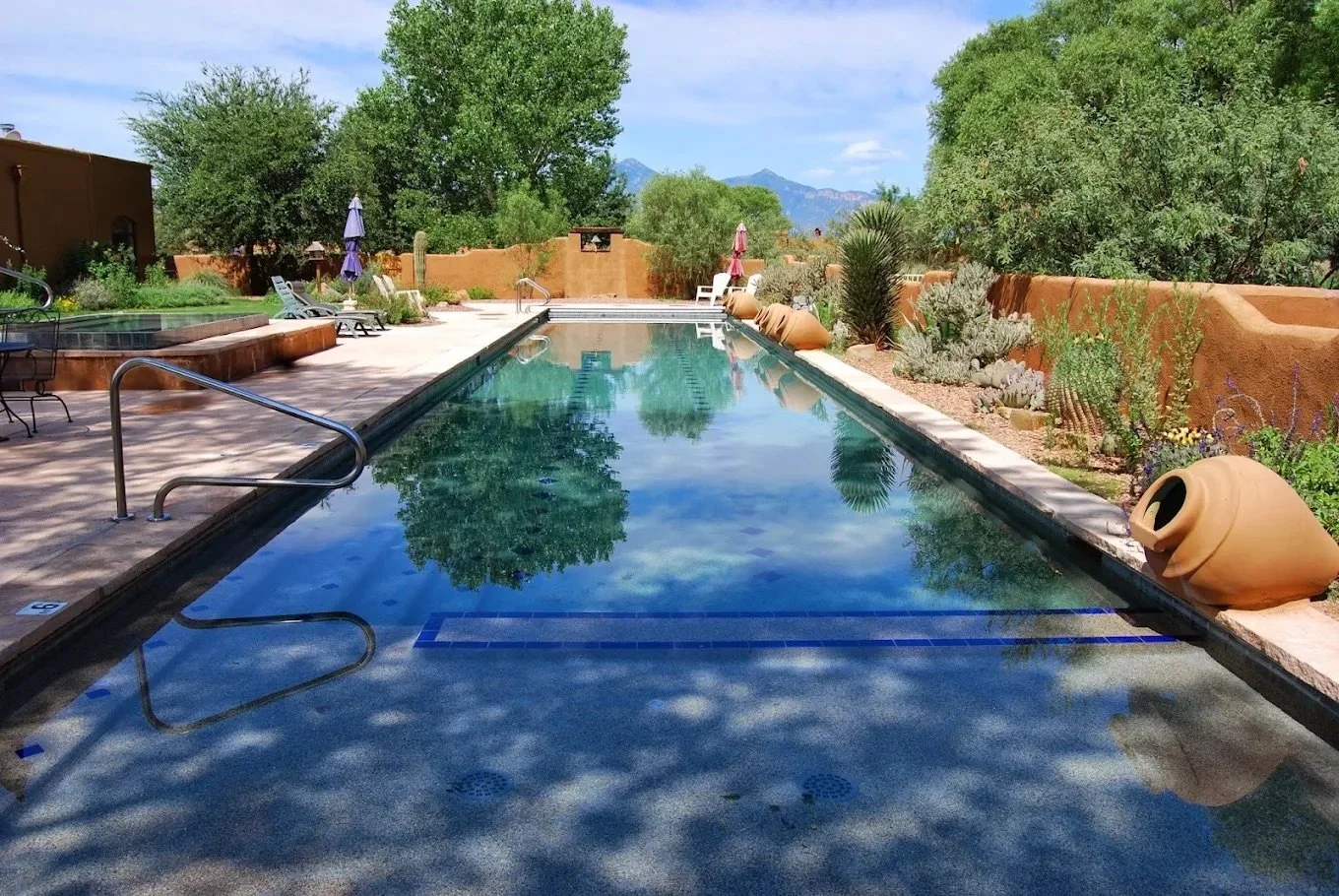
Our destination is the award-winning Casa de San Pedro, where we will spend the next four nights. Its location beside the San Pedro River south of Sierra Vista gives us convenient access to the Huachuca Mountains, nearby grasslands, and the rich riparian habitat of the San Pedro Valley. The Casa also provides a gourmet breakfast each morning as well as 24-hour availability of a selection of homemade pies!
The birding begins almost immediately upon arrival. The Casa’s feeders, gardens and riparian habitat provide opportunities for Summer Tanager, Blue Grosbeak, Black Phoebe, Bell’s Vireo, Lucy’s Warbler, Yellow-breasted Chat, Canyon and Abert’s Towhees, while Gray and Swainson’s Hawks are possibilities overhead.
After settling in, we’ll enjoy dinner and perhaps some leisurely evening birding around the property.
Overnight: Casa de San Pedro
-
August 2:
San Pedro River | Ash Canyon | Huachuca Mountains
We’ll begin close to home with an early walk along the San Pedro River, exploring the cottonwood-willow forest and surrounding grasslands.
Summer Tanagers, Vermilion and other flycatchers, Blue Grosbeaks, Bell’s Vireos and Yellow-breasted Chats are among the birds we may encounter, and we’ll keep watch overhead for Gray Hawk.
After breakfast we’ll turn our attention toward the Huachuca Mountains and one of Southeast Arizona’s celebrated hummingbird destinations: Ash Canyon Bird Sanctuary.
The feeders here provide an opportunity to sit quietly and watch the action come to us. Broad-billed, Black-chinned, Broad-tailed, Anna’s, Costa’s, Calliope and the long-distance migrant Rufous Hummingbird are among the regular possibilities, with the striking Lucifer Hummingbird one of the specialties we’ll particularly hope to see.
The sanctuary and surrounding oak woodland can also produce Arizona and Acorn Woodpeckers, Mexican Jay, Bridled Titmouse, Scott’s Oriole and other regional specialties.
We will keep the afternoon flexible, with time for another nearby birding stop or a chance to relax at the Casa San Pedro and perhaps enjoy a dip in the pool.
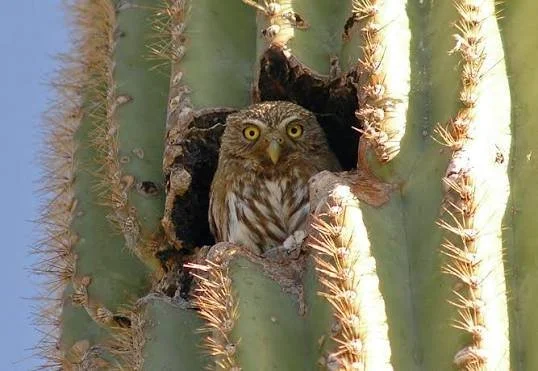
There is also the possibility in the early evening of visiting another local BnB garden that in recent years has had nesting Elf Owls.
Overnight: Casa de San Pedro
-
August 3:
Ramsey Canyon | Miller Canyon | Hummingbirds of the Huachucas
Today we’ll explore more of the Huachuca Mountains, one of the most biologically rich in Arizona’s Sky Islands.
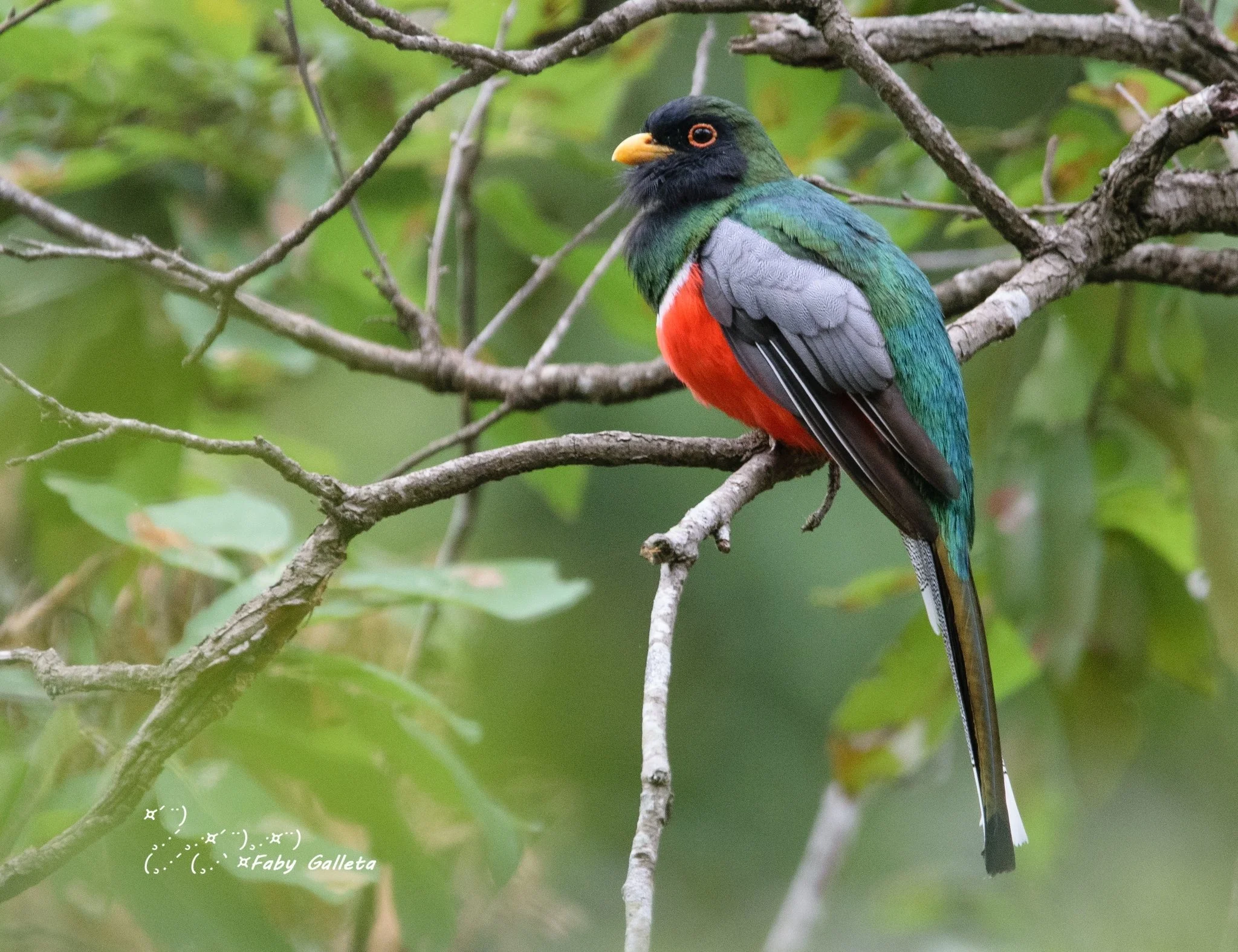
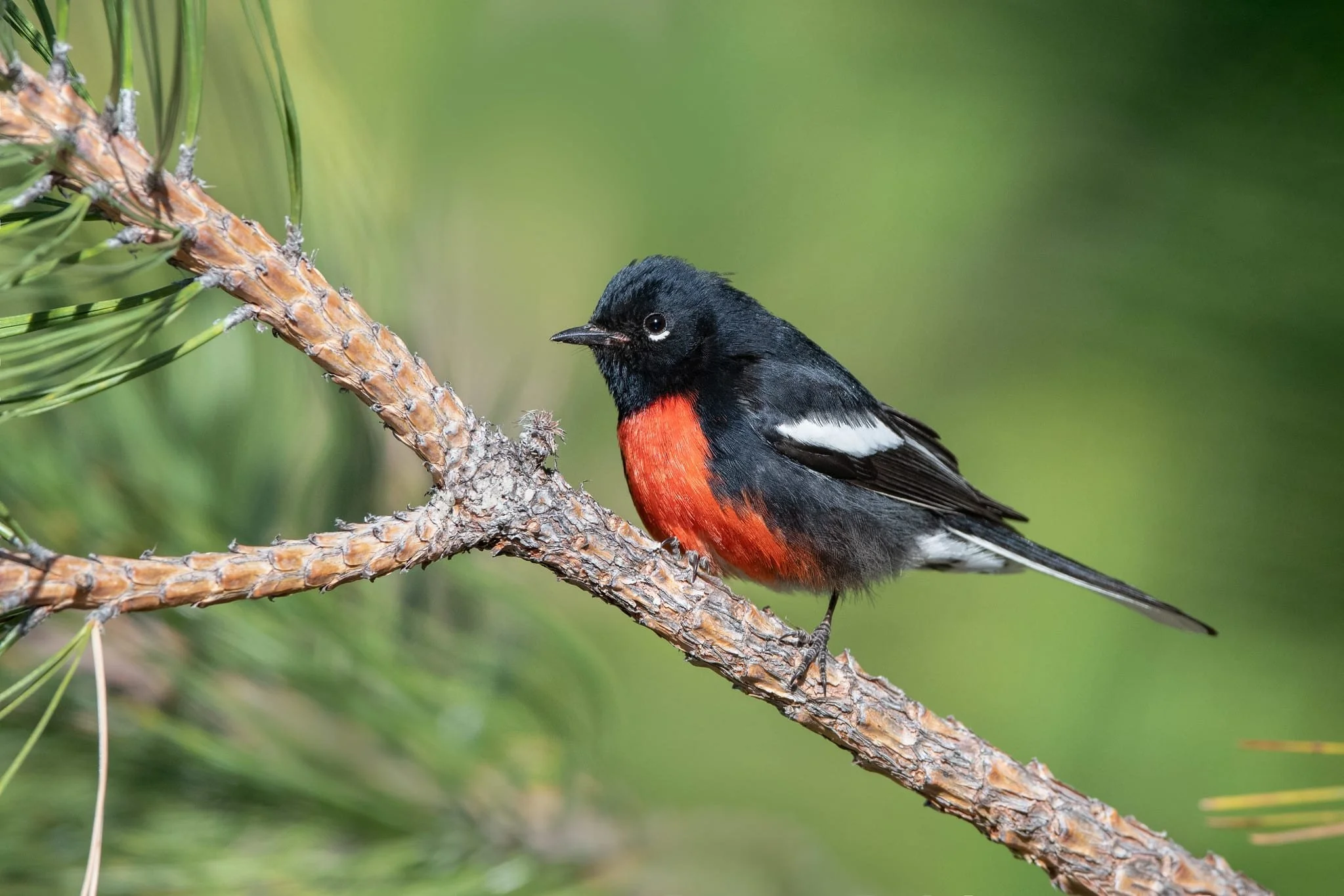
We will visit Ramsey Canyon, where flowing water and towering Arizona Sycamores support a lush corridor of montane habitat. Possible birds include Arizona Woodpecker, Painted Redstart, Sulphur-bellied Flycatcher, Black-throated Gray Warbler, Western Wood-Pewee, Yellow-eyed Junco, and, with some luck, one of Southeast Arizona's most celebrated birds, the Coppery-tailed Trogon.
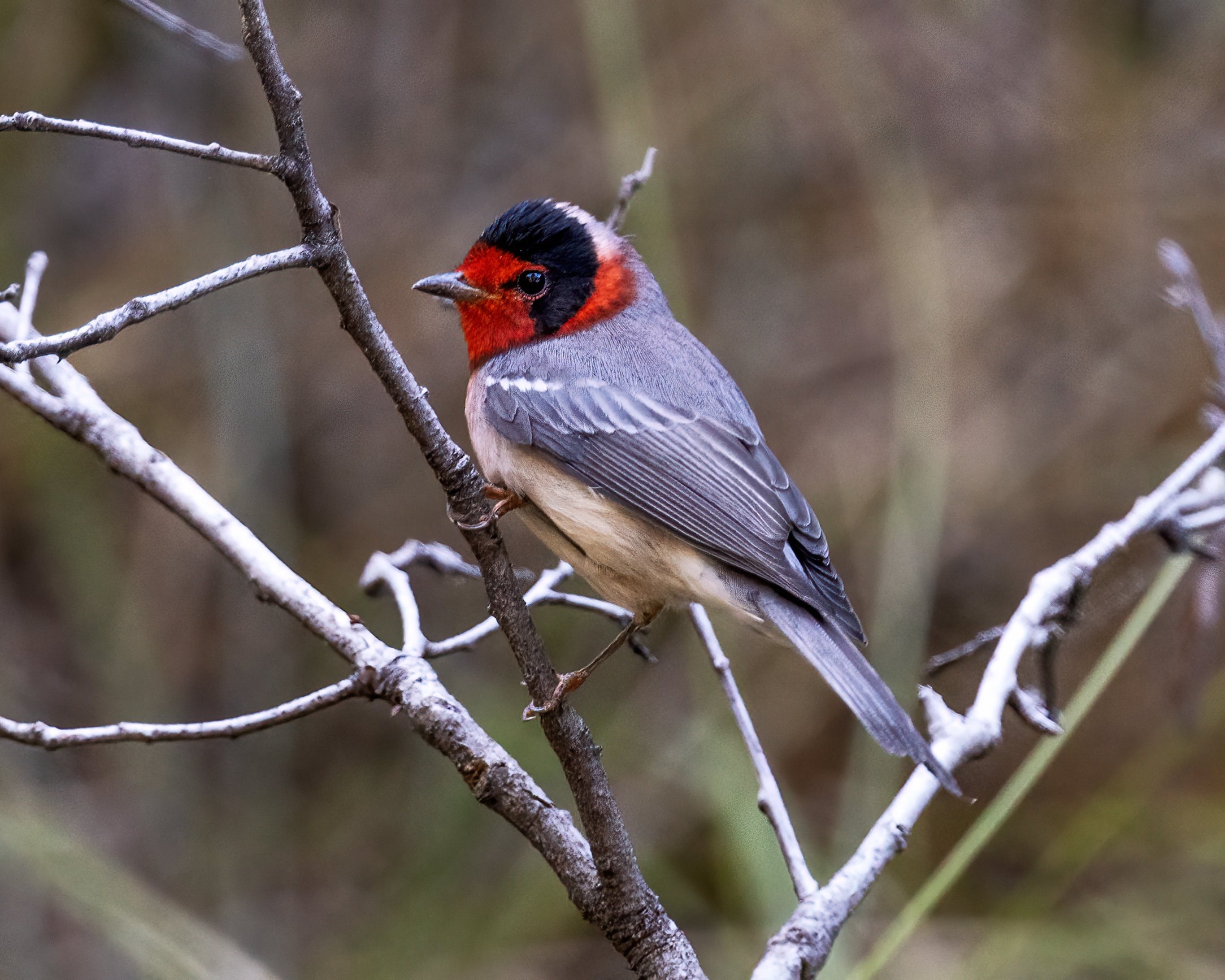
We will also explore Miller Canyon and its surrounding habitat, including the hummingbird feeders at Beatty's Guest Ranch, where Violet-crowned, Broad-billed, Black-chinned, and Rivoli's Hummingbirds are among the possibilities. In recent years, the canyon has also hosted the extremely rare Flame-colored Tanager, so we will certainly keep an eye on current reports. Other possibilities include Red-faced Warbler, Grace’s Warbler, Woodhouse's Scrub-Jay, Hepatic and Western Tanagers, Western Wood-Pewee, and Hutton's and Plumbeous Vireos.
As always, we’ll adjust our plans to conditions. August birding in Southeast Arizona rewards flexibility, and a special bird reported nearby may occasionally persuade us to alter the day’s itinerary.
Overnight: Casa de San Pedro
-
August 4:
Madera Canyon | Box Canyon | Santa Rita Mountains
Today we’ll venture west for a full-day exploration of another of Southeast Arizona’s great Sky Islands: the Santa Rita Mountains.
Our primary destination is legendary Madera Canyon. As we climb from desert grasslands into oak woodland and mountain forest, both the scenery and birdlife change dramatically. The canyon is also one of the region's better-known locations for finding Coppery-tailed Trogon.
We will continue searching for regional specialties such as Arizona Woodpecker, Phainopepla, Mexican Jay, Painted Redstart, Rivoli's and Broad-billed Hummingbirds, Hepatic Tanager, Black-headed Grosbeak, and other mountain birds.
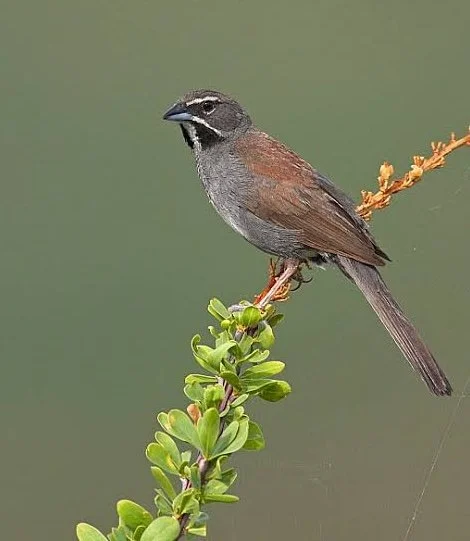
We will also explore Box Canyon, a rugged and scenic route through the lower elevations of the Santa Ritas. Here we will look for a different mix of birds, including the rare and elusive Five-striped Sparrow, Black-throated Sparrow and, if timing and conditions cooperate, we may listen for the rare Buff-collared Nightjar toward evening.
As always, recent sightings will help determine exactly where we spend our time.
After our exploration of the Santa Ritas, we’ll return to the Casa for our final evening along the San Pedro.
Overnight: Casa de San Pedro
-
August 5:
Patagonia & Sonoita | Paton Center | Portal & the Chiricahuas
After breakfast we’ll say goodbye to the Casa and travel toward Patagonia and Sonoita, exploring another wonderfully diverse corner of the Arizona borderlands.
Our travels will take us through beautiful grasslands where we may encounter Pronghorn Antelope, Chihuahuan Raven, Botteri's and Cassin's Sparrows, and other grassland species.
In Patagonia we will visit the Paton Center for Hummingbirds, a longtime favorite among visiting birders. Violet-crowned Hummingbird will be high on our wish list, along with possible Broad-billed, Black-chinned, and Anna's Hummingbirds. We will also watch for orioles, tanagers, grosbeaks, Gila Woodpecker, Pyrrhuloxia, Thick-billed Kingbird, and other birds using the surrounding habitat.
Depending upon conditions and recent sightings, we may also explore Patagonia Lake, Sonoita Creek or other nearby birding locations.
Eventually we’ll turn east and make our way across the grasslands toward the magnificent Chiricahua Mountains.
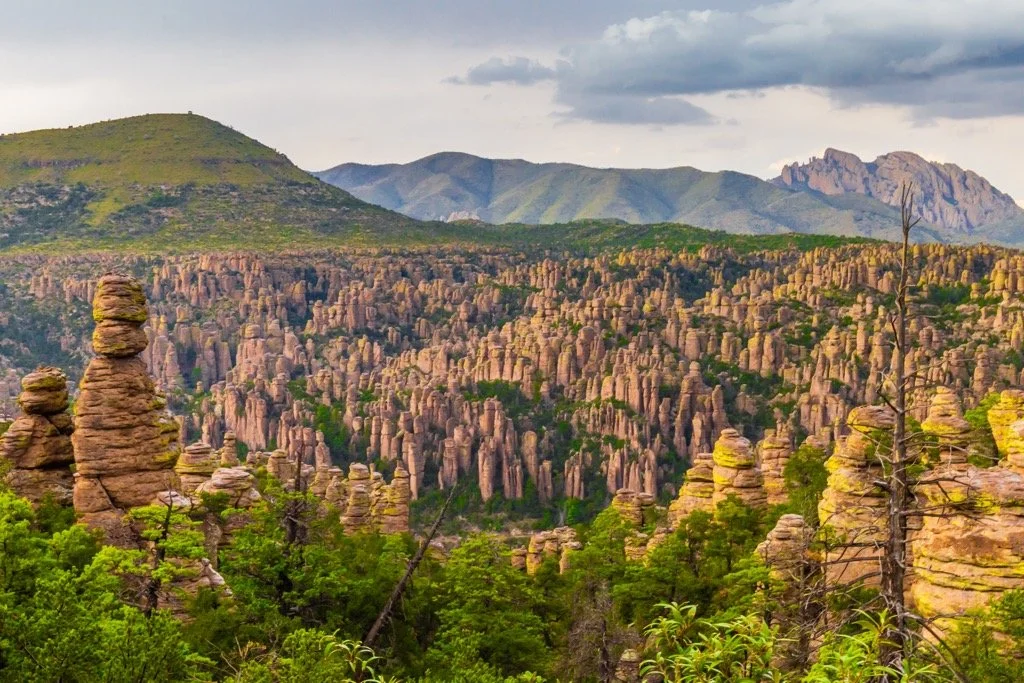
Our destination is Portal and the awe-inspiring Cave Creek Canyon, where dramatic mountain scenery surrounds an exceptional range of habitats. The Chiricahuas support a distinctive blend of plants and wildlife influenced by the deserts below and mountain systems to both the north and south.
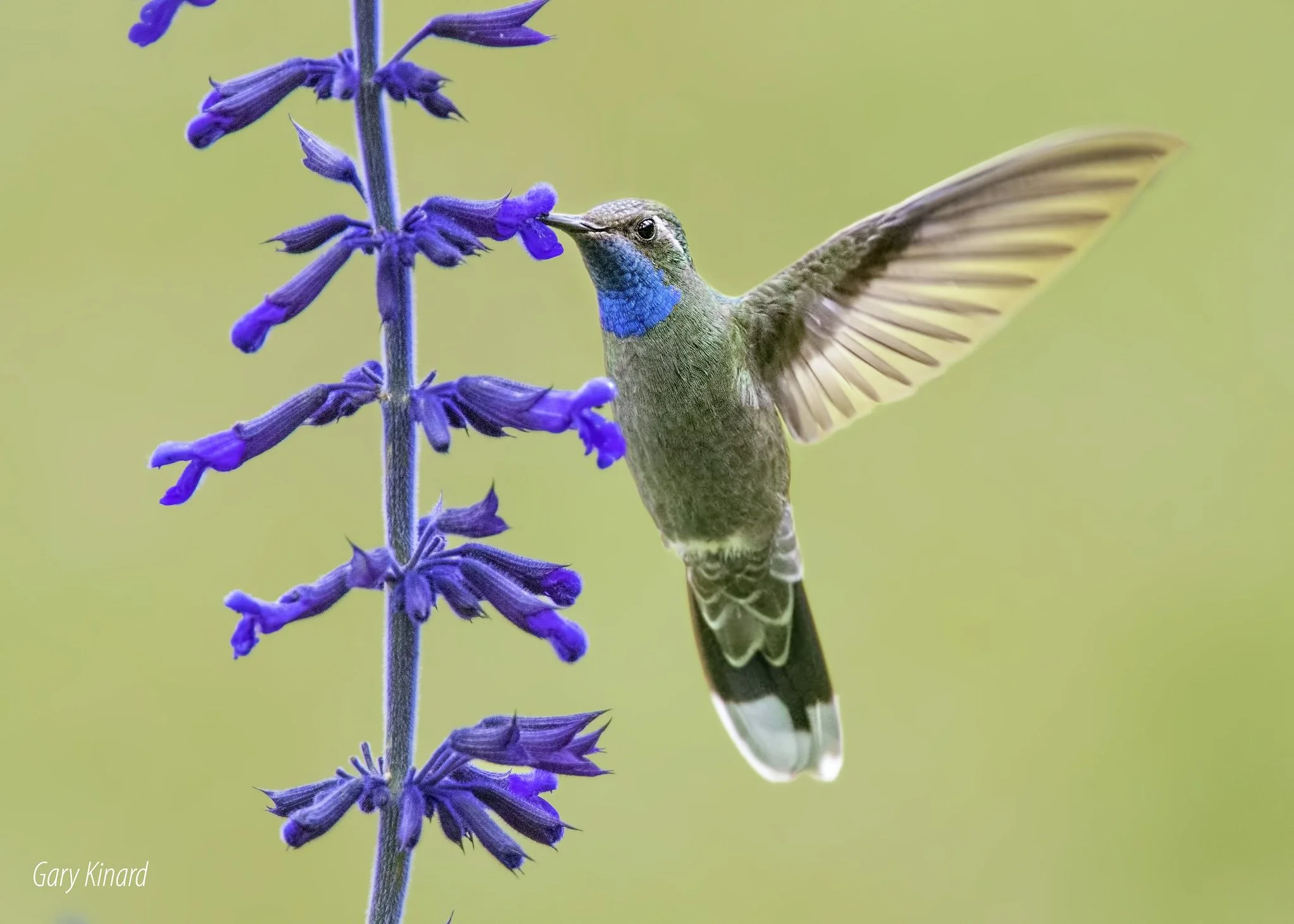
As we settle into our accommodations at the lovely Cave Creek Ranch, Blue-throated Mountain-gems may be among the first Chiricahua specialties we encounter at the ranch’s feeders.
Overnight: Cave Creek Ranch
-
August 6:
Cave Creek Canyon | Portal | Chiricahua Grasslands | Optional Night Hike
We’ll have a full day to immerse ourselves in the Chiricahuas.
Our morning will begin along the South Fork Trail in Cave Creek Canyon, where sycamores, oaks, and conifers grow beneath the canyon's striking volcanic walls.
This is excellent country for Coppery-tailed Trogon, Painted Redstart, Arizona Woodpecker, Sulphur-bellied and Dusky-capped Flycatchers, Mexican Jay, and many other species. In recent years, South Fork has also hosted exceptional visitors from Mexico, including Tufted Flycatcher and Eared Quetzal, reminders that almost anything can turn up in this remarkable canyon.
From there, we'll stop by the Southwestern Research Station (SWRS), a working field station that's been operated by New York's own American Museum of Natural History since 1955, Researchers and students are often out and about, and the station's feeders and surrounding forest are a wonderful spot to look for White-eared Hummingbird among other specialties.
After lunch, we’ll visit some of Portal's well-known feeding stations, where depending upon conditions and recent sightings, possibilities include Scaled Quail, Bendire’s and Crissal Thrashers, Black throated sparrows, Pyrrhuloxia, and other desert and grassland species.
After dinner, those who still have some energy may join us for an optional evening outing. Many Southeast Arizona nightbirds are less vocal by August, but we will listen for whatever may still be active and take time to enjoy the exceptionally dark Chiricahua sky.
Overnight: Cave Creek Ranch
-
August 7:
Chiricahua High Country | Mexican Chickadee | Return to Tucson
Our final major birding day takes us into the high country of the Chiricahua Mountains.
As we climb, oak woodland gives way to pine and mixed-conifer forest, bringing another dramatic change in both scenery and birdlife.
We’ll search for high-elevation specialties such as Red-faced and Olive Warblers, Greater Pewee, Yellow-eyed Junco, and other mountain birds. We may even encounter Steller’s Jays looking for an opportunity to raid our picnic table! Mexican Spotted Owls have nested in this area in past years, so we’ll keep a sharp eye out for this elusive species in one of the more accessible portions of its limited U.S. range.
One bird will receive particular attention: the Mexican Chickadee. Its U.S. range is extremely limited, making an encounter in the Chiricahuas especially memorable. We’ll also look for Juniper Titmouse, MacGillivray’s Warbler, Pygmy Nuthatch, and other species associated with these higher elevations.
The Chiricahuas are also an excellent place to search for Montezuma Quail, although in recent years these iconic birds have become even more notoriously difficult to find.
The high country can be rewarding for mammals and other wildlife as well. Coues’ White-tailed Deer and Apache Fox Squirrel are both possibilities, and we’ll remain alert for whatever else crosses our path.
After enjoying our final hours in the Chiricahuas, we’ll begin the journey back toward Tucson, making birding and sightseeing stops as time allows. Our exact route will depend on recent sightings, local conditions, and the interests of the group.
Back in Tucson, we’ll gather for a farewell dinner, tally our birds, and relive some of the highlights of our week exploring the Arizona borderlands.
Night at
-
August 8:
Final Birding | Departures
Our flock begins to disperse today.
Depending upon flight schedules, we’ll have the option of some final early-morning birding around Tucson before heading to Tucson International Airport.
Perhaps we will find one last Arizona specialty or simply enjoy a final morning together beneath the desert sky.
Then it’s time to say goodbye to Gabriel, Gordon, Lori and our fellow travelers and head home with memories of hummingbirds, trogons, mountain canyons, desert grasslands, monsoon skies and eight days spent exploring one of North America’s truly extraordinary natural landscapes.
Until next time, and remember:
A.B.B. - Always Be Birding.