-
Day 1, August 7
Arrive in Rio De Janeiro at RIO Galeão International Airport, transfer to the nearby Linx Galeão Hotel to relax before our exploration begins!
-
DAY 2, August 8:
Our first full day in Rio won't be focused on birds – although we'll obviously see some along the way! After breakfast, our local guide and van driver will take us to visit a famous natural and cultural monument of the city: Christ the Redeemer, one of the 7 modern wonders of the world! Besides the famous sculpture, the location offers a panoramic view of various points of the city, including the beautiful natural landscape of Rio, its beaches and mountains covered by the Atlantic Forest. After the tour, the group will go for lunch at a local restaurant where we will enjoy delicious Brazilian food. The rest of the day will be spent relaxing at the Windsor Plaza Copacabana hotel, near Copacabana beach – one of the most iconic beaches in the world!
-
DAY 3, August 9:
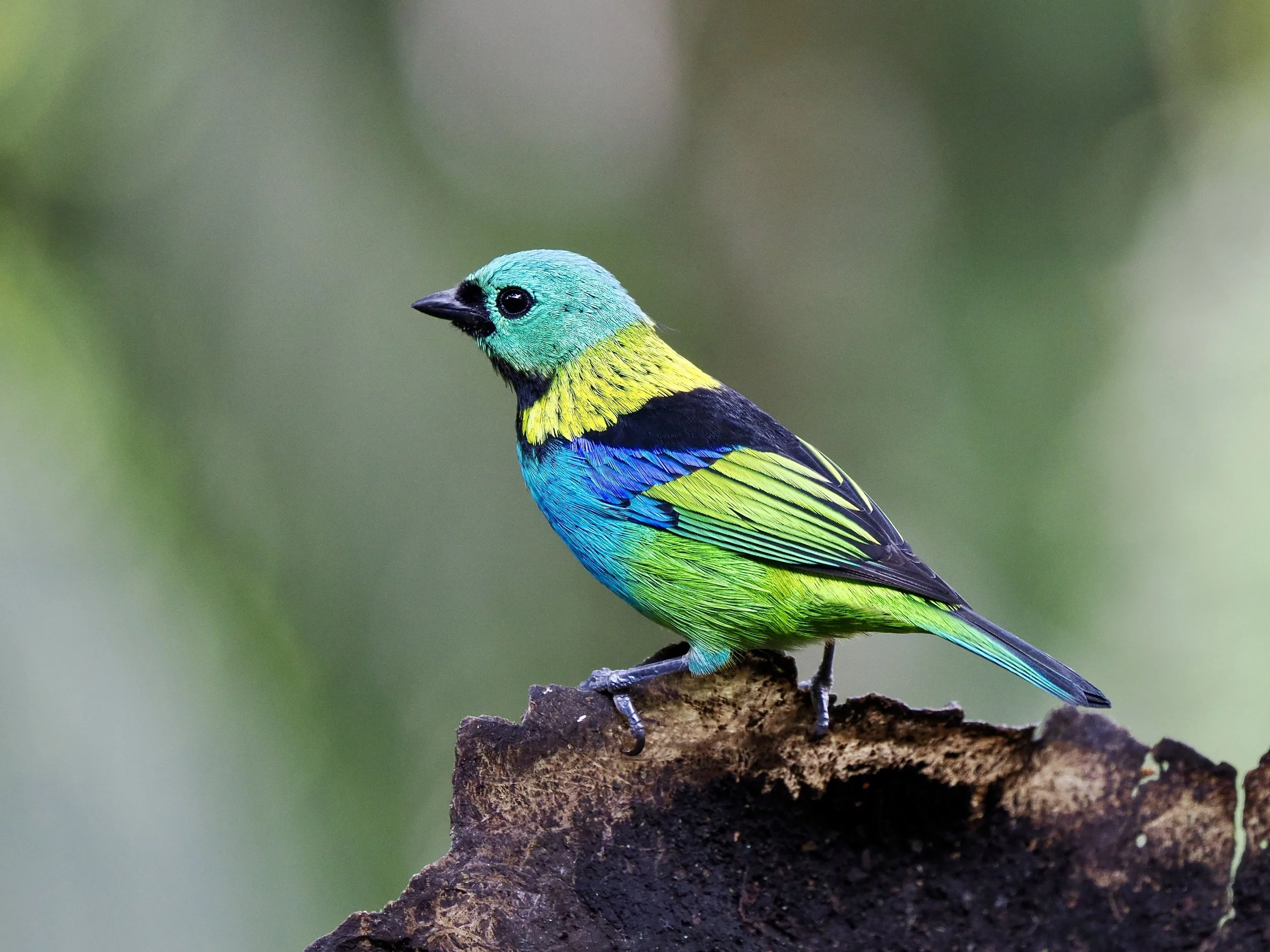
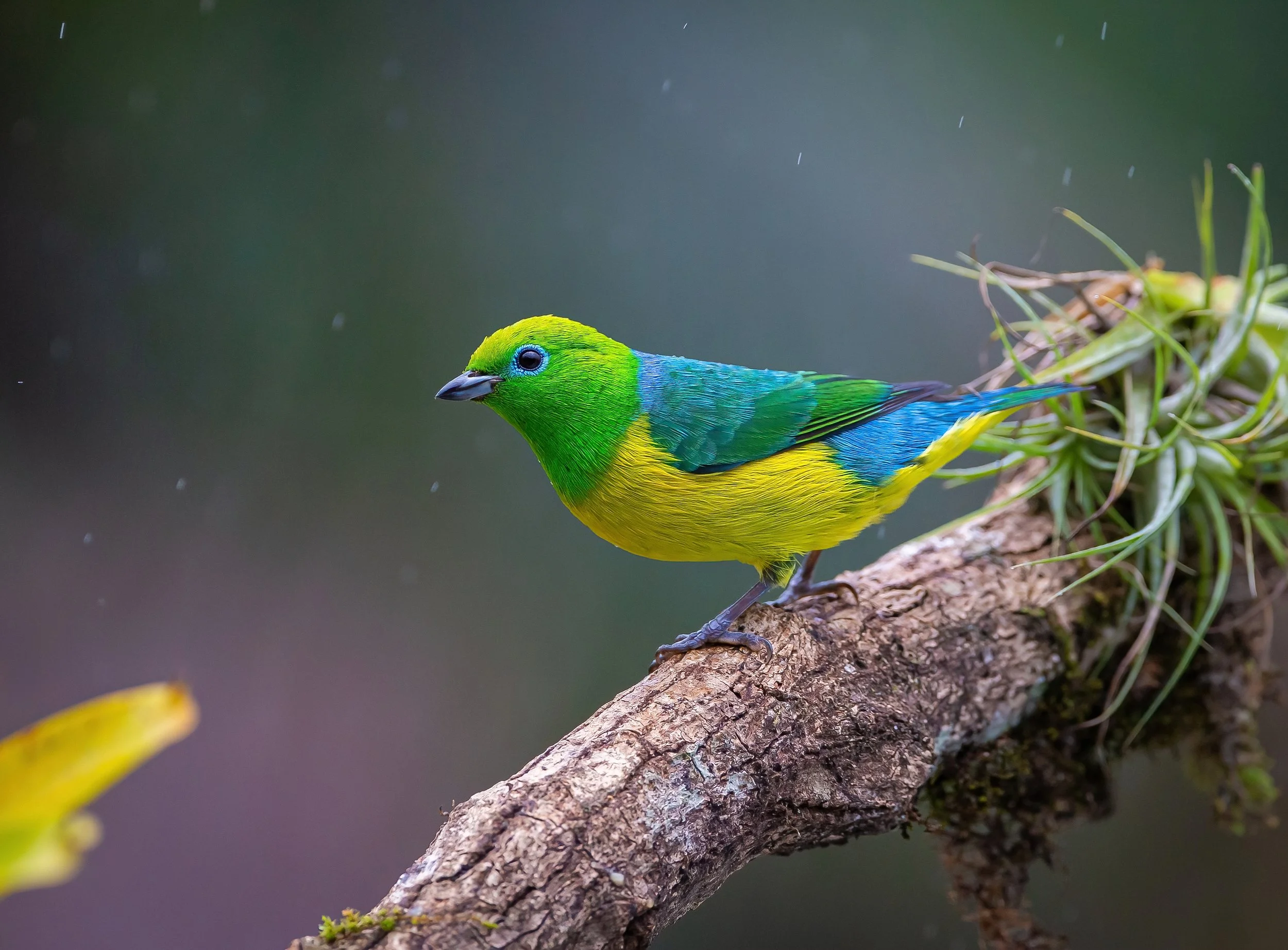
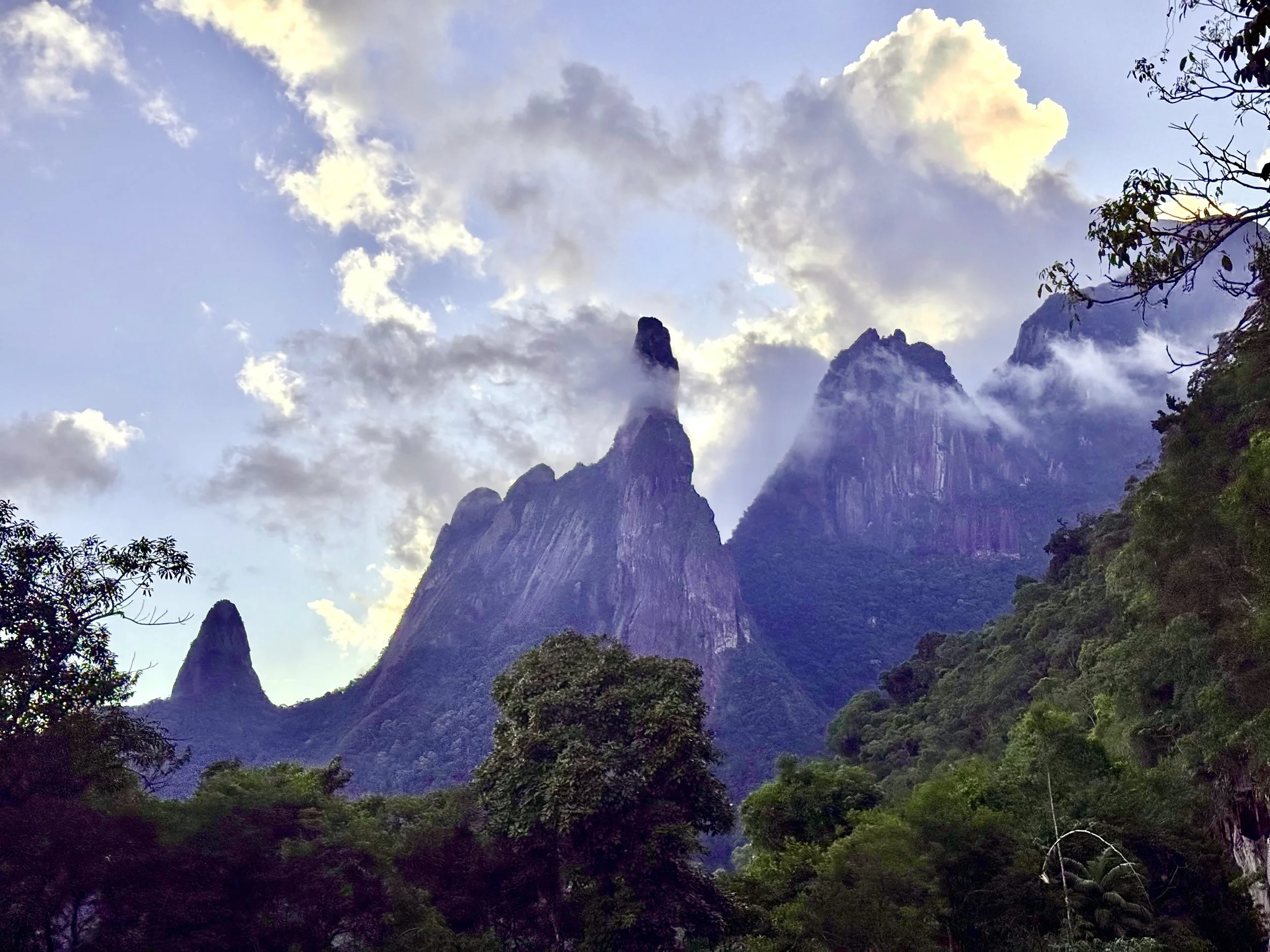
After breakfast and hotel check-out, the van will be waiting for us to head towards the Serra dos Órgãos region for our first "official" day of birding. Our first stop will be in Guapimirim, more specifically at the Monumento Natural da Concórdia. This is a protected area located between the Serra dos Órgãos National Park and the Três Picos State Park. On an easy to moderate morning hike, we will observe many species typical of the low-slope Atlantic Forest (150 meters above sea level), with good chances of spotting endemic birds such as the Crescent-chested Puffbird, Gray-hooded Attila, Unicolored Antwren, Plain-winged Woodcreeper, Yellow-eared Woodpecker, among others. After the hike, if the temperature is favorable, we will make a strategic stop at Casa Tukani – a bird-friendly house where our local guide lives and maintains a nice bird feeder. This will be the perfect time to get good eye-level views and photographs of species commonly seen in the treetops, such as the endemic Green-headed Tanager, Violet-bellied and Orange-bellied Euphonia, Yellow-backed Tanager, Blue-napped Chlorophonia, Blue Dacnis, and other equally colorful birds. From there, we'll head to lunch at a great local restaurant. Afterwards, we'll visit a rural area 20 minutes from the city where an association of agro-ecological producers will offer us a tasting of some local delicacies! From there we will head to the REGUA (Reserva Ecológica de Guapiaçu) Birding Lodge, where we will stay for the next 4 nights.
-
DAY 4, August 10:
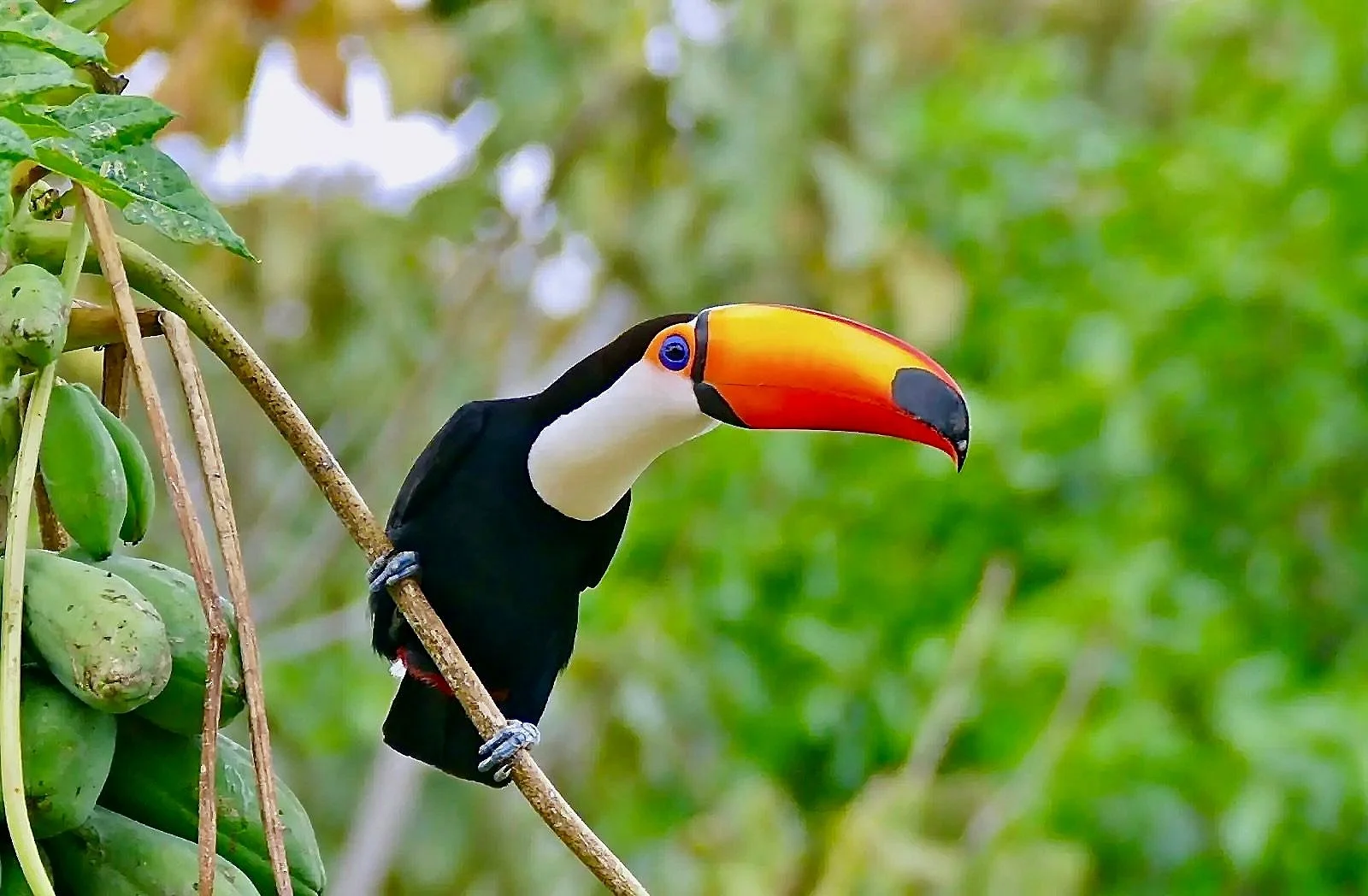
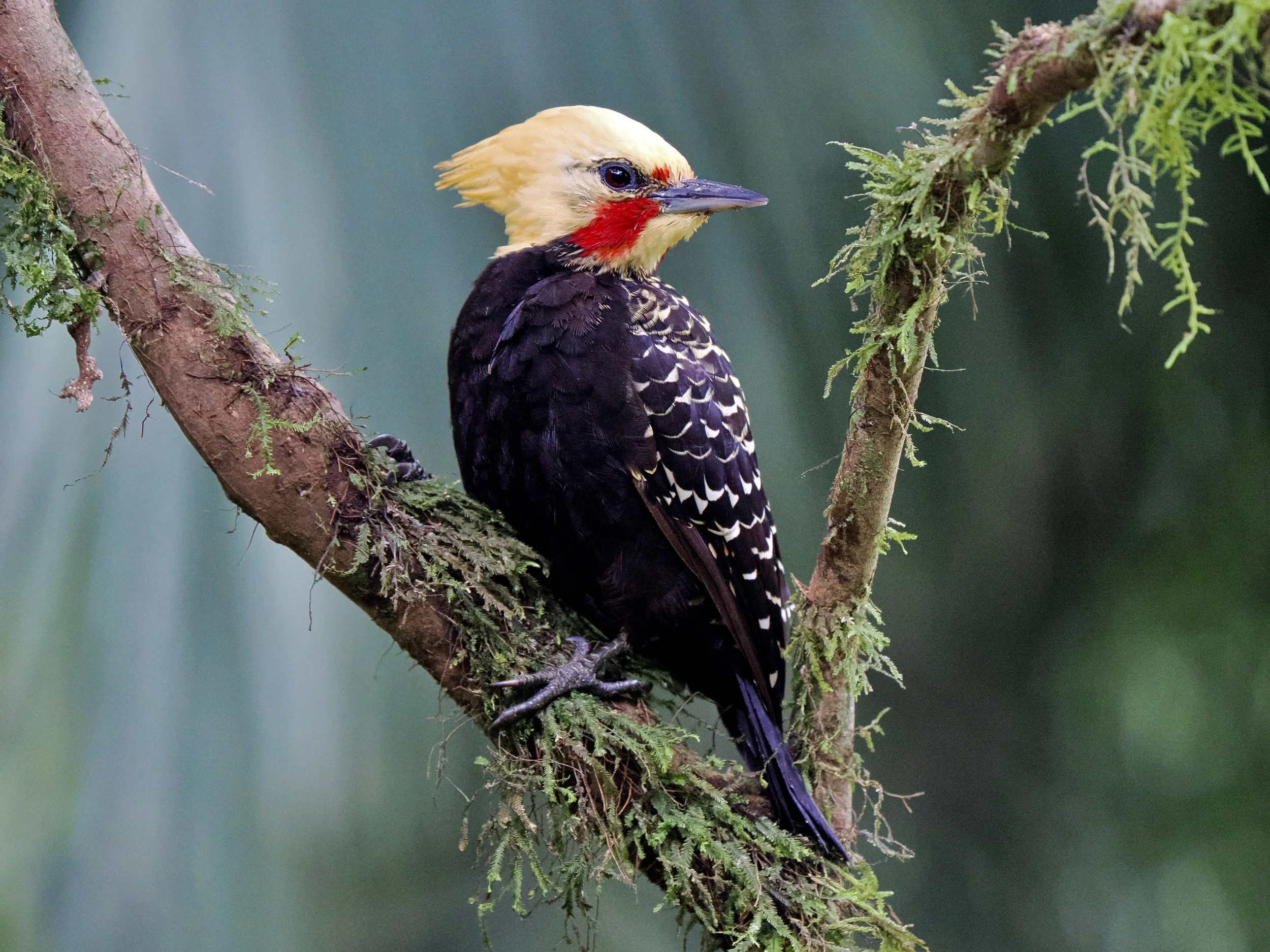
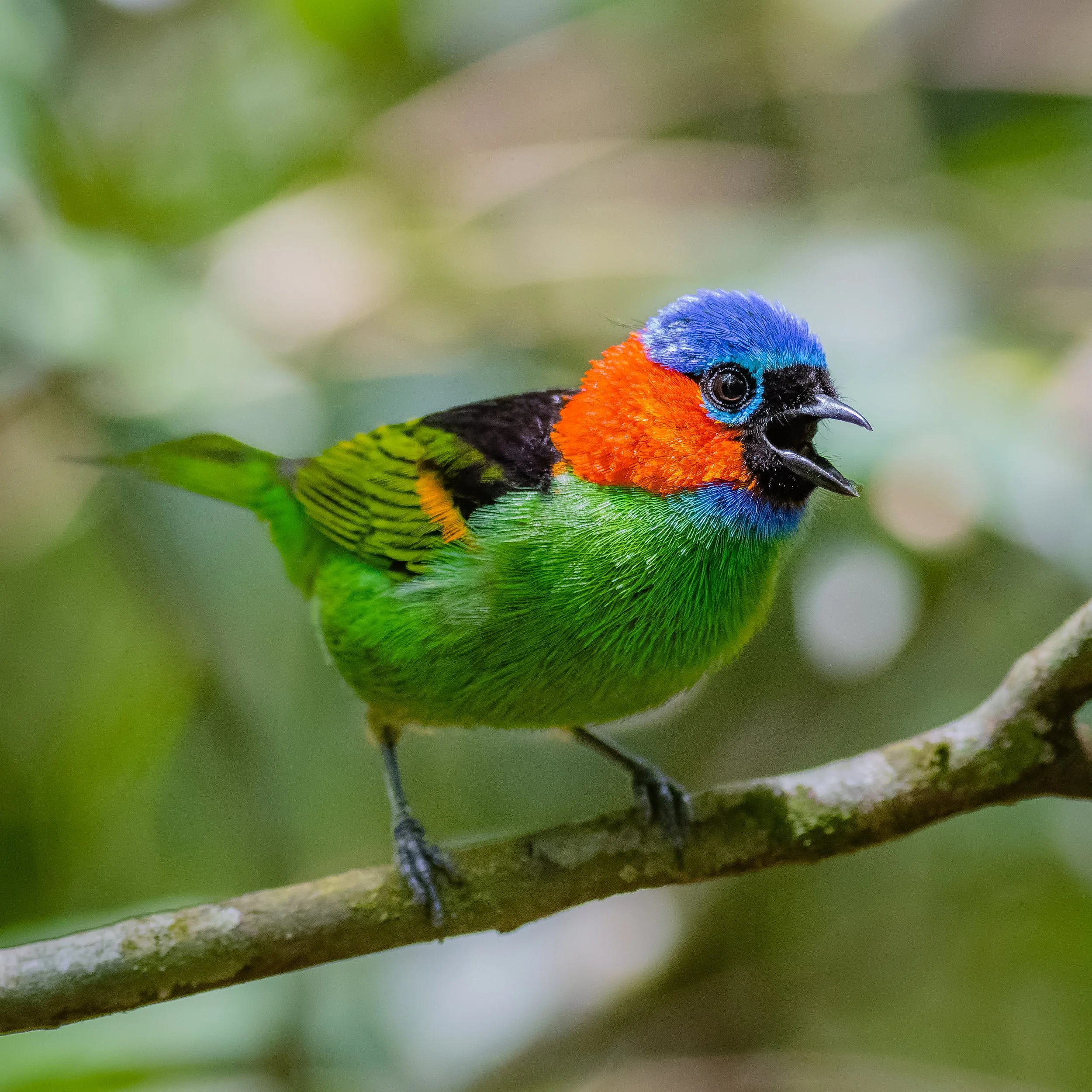
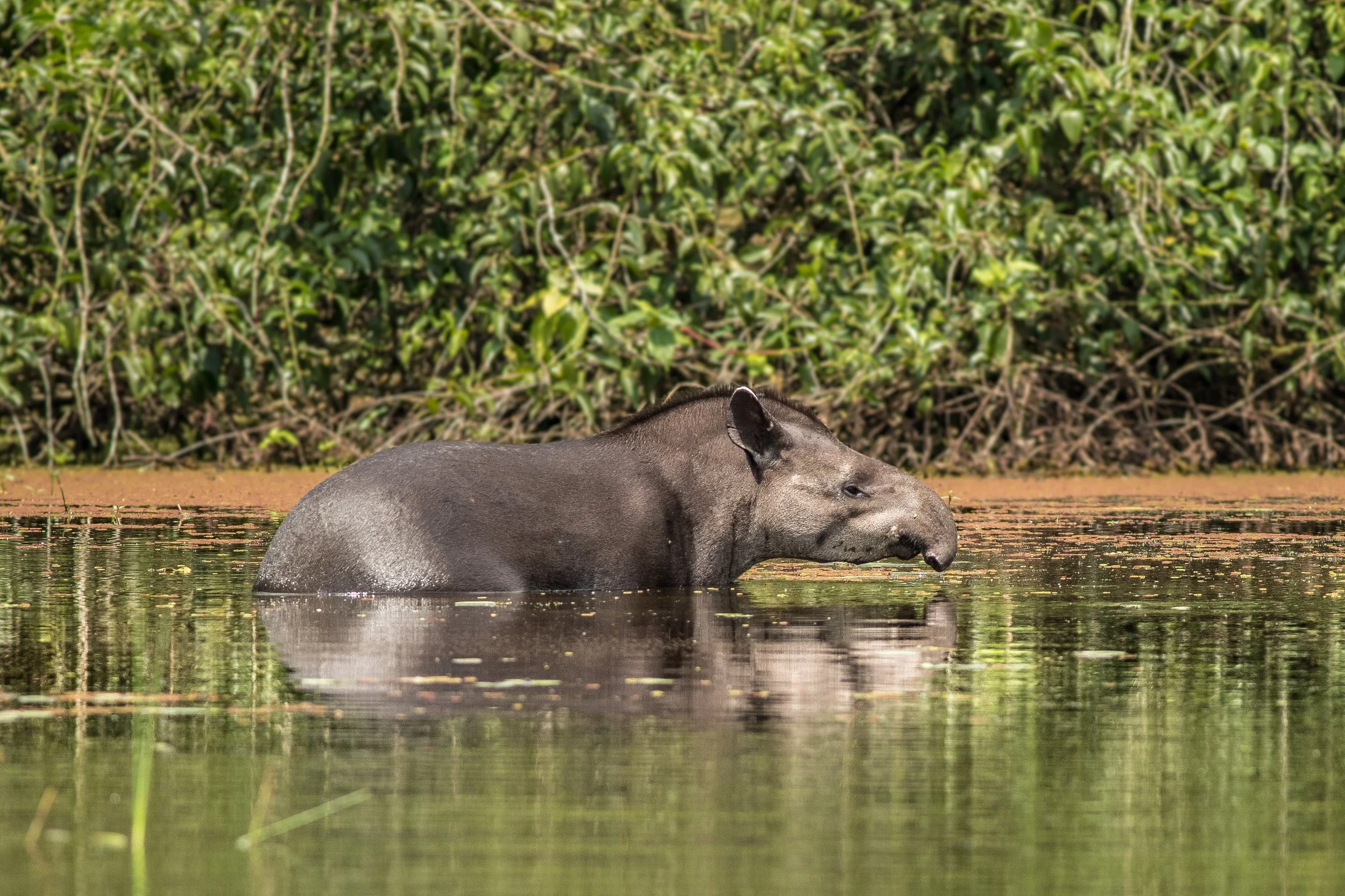
On this day we will focus our exploration and birdwatching at the REGUA Lodge and surrounding trails (home to over 320 recorded bird species!). During breakfast, we will keep an eye out for birds appearing at the feeders and in the trees around the Lodge, with good chances of spotting the Rufous-breasted Hermit, Green-throated Emerald, Swallow-tailed Hummingbird, Purple-throated Euphonia, and perhaps some Channel-billed Toucan and even White-Tufted-Ear Marmoset Monkeys! From the lodge we will walk towards the wetlands (Yellow Trail / Brown Trail), where our birdwatching will take place until late morning, searching for species such as the Brazilian Tanager, Chestnut-backed Antshrike, Rufescent Tiger-Heron, Rufous-tailed Jacamar, White-bearded Manakin, Yellow-chinned Spinetail, Gray-headed Tody-Flycatcher, Blond-crested Woodpecker, White-faced Marsh-Tyrant, Moustached Wren, Sooretama Slaty-Antshrike and – if we are lucky – the rare and endangered Brazilian Laniisoma! We will return to the lodge around midday for lunch and a short break in the afternoon, then continue exploring the lodge's surroundings where we might have a chance to see the Brazilian Tapir, which not infrequently visits the feeders area in search of bananas. In the late afternoon, we will head to a rural area near the reserve in search of birds that appear only at dusk or at night, like the near-endemic Giant Snipe, one of the most 'desired' birds by tourists visiting REGUA. On this expedition, we will also try to observe nightjars, potoos and owls, such as the Tawny-browed Owl, Tropical Screech-Owl, and Black-banded Owl. Night at REGUA.
-
DAY 5, August 11:
On this day, after breakfast at REGUA, our van will take the group to the Três Picos State Park in Teresópolis. With 65,113 hectares, this park has the largest protected area of endangered Atlantic Forest in the state of Rio de Janeiro, encompassing 5 municipalities. The park has several entrances, and we will specifically visit the Vale da Revolta headquarters, located at an altitude of 1,000 meters above sea level. Its beautiful montane forests have a rich vegetation, full of ferns, bromeliads, tillandsias, and various other epiphytic plants. This vegetation creates the perfect environment for bird species that forage in the forest understory. We will walk along a flat path of approximately 1km in search of species such as the White-bibbed Antbird, Hooded Berryeater, Sharp-billed Treehunter, and Pallid Spinetail, all endemic to the Atlantic Forest. Sightings of the incredible Bare-throated Bellbird, the bird with the most powerful song in this biome, are also expected. Other important targets in the park are Spix’s Spinetail, Greenish Schiffornis, Sharp-tailed Streamcreeper, White-browed Woodpecker, and Mantled Hawk. After the morning birding, we will return to the van to go straight to the Sítio Saíra Azul, where a delicious lunch will be waiting for us. Besides being a beautiful family-run property that grows various organic products, the Sítio is also a hotspot for birdwatching and is home to important species such as the Half-collared Sparrow, Saffron Toucanet, Green-barred Woodpecker, Scaly-headed Parrot, among others. We will observe birds in the Sítio area and its surroundings until late afternoon and then return to REGUA for dinner. Night at REGUA.
-
DAY 6, August 12:
After breakfast at REGUA, we will visit the Três Picos State Park again, but a different area: the Jequitibá headquarters, located in the municipality of Cachoeiras de Macacu, near REGUA. This headquarters is named because of the existence of a giant, ancient tree of the species popularly known in Brazil as jequitibá-rosa (Cariniana legalis), one of the largest tree species in the Atlantic Forest! Due to the history of deforestation of the biome, nowadays it is rare to find giant trees like this, and its existence in this park is a sign that the region's forests are still very well preserved. We will visit the main trail in the Park that provides access to the giant Jequitibá tree and other easily accessible paths. Our targets in the Park include Olive-green Tanager, Buff-bellied Puffbird, Ferruginous Antbird, Pale-browed Treehunter, Red-necked Tanager, Spot-billed Toucanet, and Star-throated Antwren. After a morning of birdwatching, we'll drive a little higher up the mountain to an elevation of approximately 1,000 meters. We'll have lunch at a famous local buffet restaurant called Chimarron Churrascaria, and then continue birdwatching on the Theodoro trail, another hotspot in the region. There we'll look for important species of the Atlantic Forest, such as the Rufous-breasted Leaftosser, White-browed Foliage-gleaner, White-shouldered Fire-eye, Pin-tailed Manakin, Sharpbill, White-throated Spadebill, among others. We'll return to REGUA for dinner. Night at REGUA.
-
DAY 7, August 13:
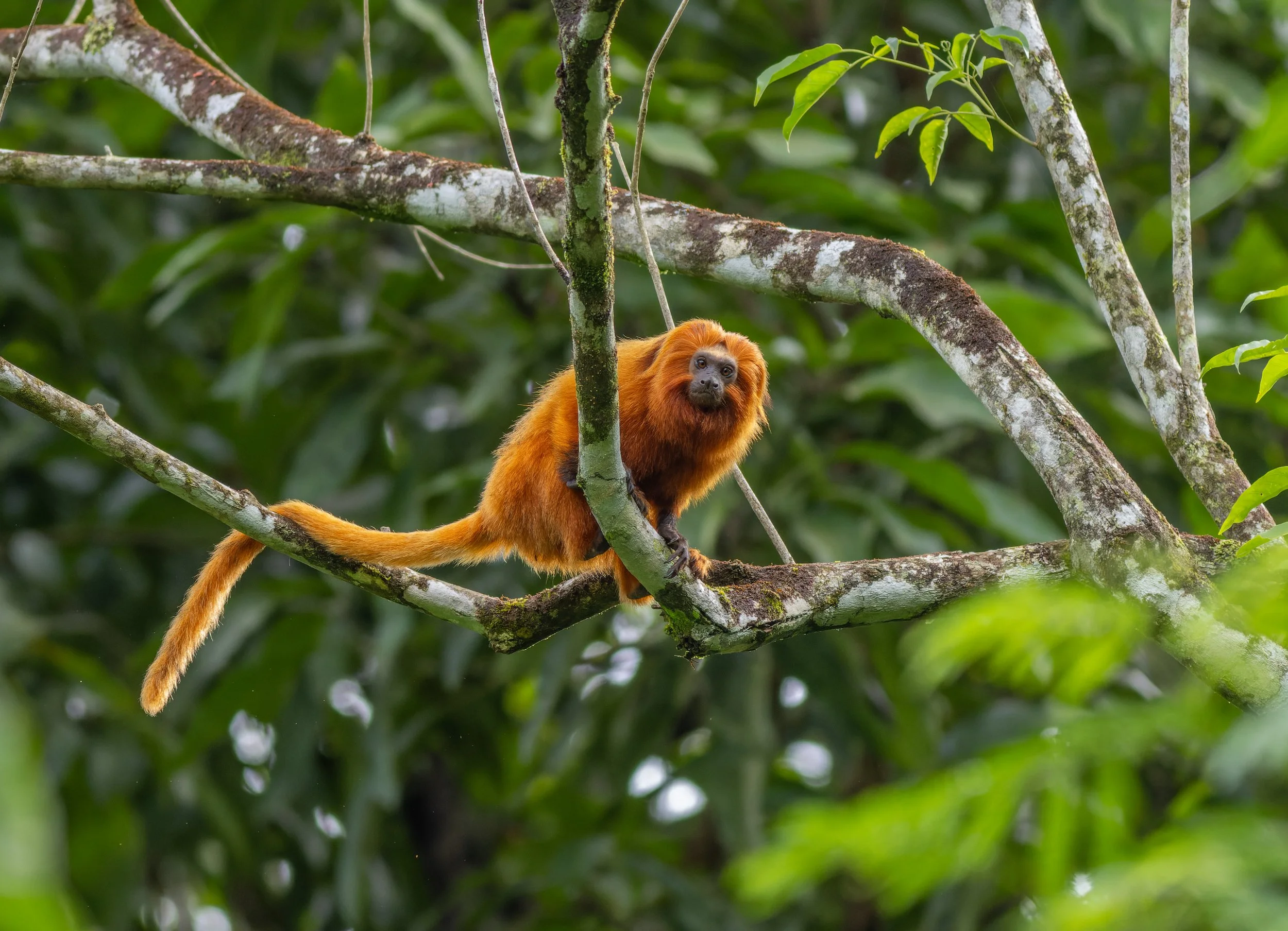
On this day, we will check out of REGUA Lodge after breakfast and then travel by van to the municipality of Silva Jardim, where the Golden Lion Tamarin Project is located. The Golden Lion Tamarin is a tiny monkey endemic to Rio de Janeiro state and a symbol of nature conservation in Brazil, having been saved from extinction thanks to the project's efforts (although it is still considered threatened). We will accompany the project team through the region's forests in search of the species, learning in situ about the behavior of tamarins and their relationship with the habitat - the lowland forests. Great sightings and photographs of this incredible primate are expected this morning! After this, we will visit the Golden Lion Tamarin Ecological Park, a reserve created to protect the species and, mainly, to present the project to the general public. There we will learn more about the conservation efforts for this and other threatened primate species. Obviously, our walks in the region will also include birdwatching, and we will be looking for some very important species: Red-headed, White-crowned and Kinglet Manakins, White-bellied Tanager, Minute Hermit, Rufous-throated Sapphire, among others. Around 1 pm, we will take a break for lunch and then head to Itororó Lodge in Nova Friburgo. Depending on the light conditions, after check-in it will still be possible to observe birds visiting the feeders, such as some hummingbirds (Brazilian Ruby, White-throated Hummingbird and Scale-throated Hermit) and Tanagers (Brassy-breasted, Black-goggled, Golden-chevroned, Gilt-edged etc.). Dinner & night at Itororó Lodge.
-
DAY 8, August 14:
We will wake up early to observe birds in the feeder area shortly before breakfast. After this, we will head towards Pico da Caledônia, a road located high in the mountains where we will have access to the region's cloud forests (between 1,700 and 2,200 meters above sea level). Many different species await us on this hike, which will probably be the only truly steep hike on the entire tour. We will walk slowly, searching for the most emblematic species of this region, such as the Bay-chested Warbling Finch, Diademed Tanager, Mouse-colored Tapaculo, Serra do Mar Bristle Tyrant, Blue-billed Black Tyrant, Rufous-tailed Antbird, Black-and-gold Cotinga, and the beautiful hummingbird Green-crowned Plovercrest. However, the great "star" of the region is a bird that only occurs in the highest mountains of the state of Rio de Janeiro, the super-endemic Gray-winged Cotinga! We will do our best to observe this rare and endangered species. At the end of the hike, we will access the staircase that leads to the top of the mountain in search of the endemic Itatiaia Spinetail. We will take a break for lunch and then visit another nearby road, where we will look for the Serra do Mar Tyrant-manakin, Shear-tailed Gray Tyrant and some other birds. We will return to Itororó Lodge to enjoy some of the late afternoon in the feeder area and then look for nocturnal birds. With a bit of luck, we may observe the incredible Long-trained Nightjar and the Rusty-barred Owl, both endemic to the Atlantic Forest! Dinner and night at Itororó Lodge.
-
DAY 9, August 15:
This morning, after breakfast, we will travel by van to the drier slopes of the Serra dos Órgãos mountain range, in the Sumidouro and Sapucaia region. A completely different environment awaits us and, consequently, new species of birds! We will travel through rural areas surrounded by forest and open fields in search of some important species on the tour, highlighting the Serra Antwren, Three-toed Jacamar, Planalto Hermit, Hangnest Tody-Tyrant, Campo Troupial, Rio de Janeiro Antbird, Yellow-rumped Marshbird, White-eared Puffbird, Narrow-billed Woodcreeper and White-bellied Seedeater. This will be a long drive, with stops for birding along the way. We will return to Itororó Lodge in the late afternoon and arrive around 6 pm for dinner. Night at Itororó Lodge.
-
DAY 10, August 16:
On the last day of our tour, we will bird at the Itororó Lodge grounds. In addition to the various trails around the Lodge, there is also a hide, which we will visit early in the morning to try to spot forest species that are very difficult to see without a feeder in the forest, such as the Brown Tinamou, Tataupa Tinamou, Such's Antthrush, Spot-winged Wood Quail, and Gray-fronted Dove. On the trails, we will focus our observation on species not seen on previous days, and some targets are Bertoni's Antbird, White-breasted Tapaculo, Slaty Bristlefront, Green-winged Saltator, Drab-breasted Pygmy Tyrant, Ochre-rumped Antbird, among others. We will have lunch at the lodge and depart for Rio de Janeiro in the afternoon, bringing everyone to the airport for their return flights. Optionally, folks could also spend an extra night or two in Rio to explore the city and beaches more before departing.